Best Time of Year for Tree Trimming in Monterey, CA
Timing matters for tree care on the Monterey Peninsula. Knowing when to schedule tree trimming in Monterey, CA, can mean the difference between a thriving tree and one that struggles through the season. The coastal climate here is unlike most of California. Mild temperatures, persistent summer fog, and winter rain create conditions where the standard "prune in winter only" advice does not apply to every species. This guide walks through the best trimming windows by season and tree type.
How Monterey's Coastal Climate Shapes the Trimming Calendar
Monterey's climate is genuinely different from inland California. High humidity, low temperatures, and summer fog strongly influence local tree health. Mean monthly temperatures range from about 48 to 52 degrees Fahrenheit in winter and 60 to 64 degrees Fahrenheit in summer. That narrow band means trees rarely go fully dormant the way they would in colder regions.
The best approach to tree trimming in Monterey, CA, depends heavily on species. Local neighborhoods like New Monterey, Del Monte Forest, and areas around Point Lobos are home to a mix of native and ornamental trees, each with its own seasonal needs.
Month-by-Month Trimming Guide for the Monterey Peninsula
Winter (December through February)
Winter is a solid general trimming window for many Peninsula trees. Rainfall supports recovery, and most insects are less active. For Monterey pine, winter pruning is recommended because wood-boring insects are less active during this period. It is also a good time to inspect for storm damage after the heavy rains that typically arrive between December and March.
Spring (March through May)
Spring is when many Peninsula trees push new growth. Light shaping, removing crossing branches, and cleaning up winter storm damage are all appropriate. Avoid heavy cuts during active growth flushes, as large wounds stress a tree right when it is working hardest. Spring pruning on the Peninsula should focus on light corrective work rather than major structural cuts.
Summer (June through August)
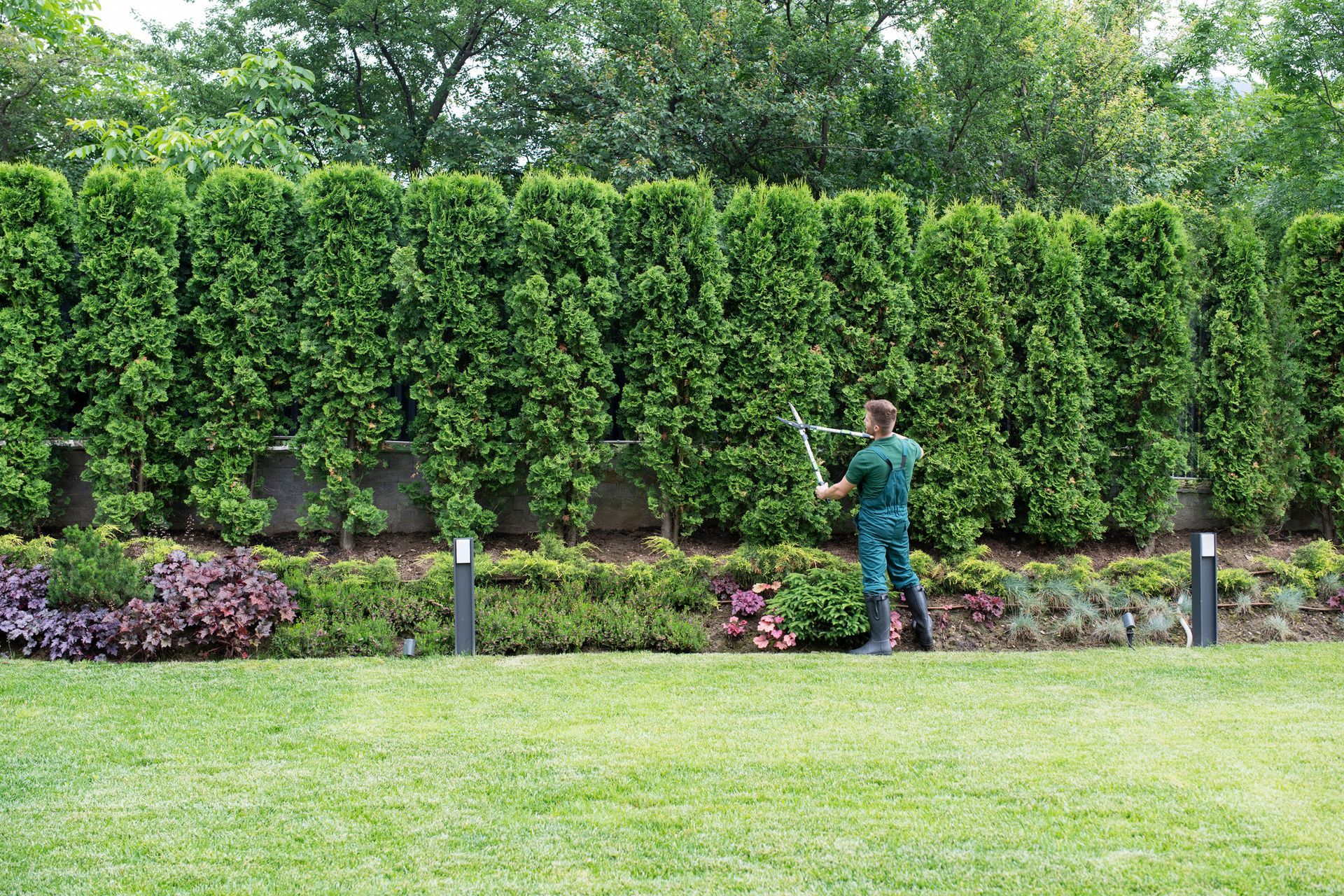
Summer is fog season on the Monterey Peninsula. For cypress trees, summer is actually the best major trimming window. Low disease pressure and faster wound drying reduce infection risk, making it ideal for shaping hedges and windbreaks.
However, summer is the worst time to trim Monterey pines. Peak bark beetle activity, drought stress, and pitch canker progression make summer pruning wounds especially dangerous. For coast live oaks and other native oaks, avoid pruning between June and September due to elevated Sudden Oak Death transmission risk during warm months.
Fall (September through November)
Fall is the pre-storm assessment season. Check for dead branches that could fail in winter winds, as dead cypress limbs in particular can become hazardous. Oaks can safely be trimmed again once temperatures cool in late September. Fall tree care is also smart for addressing overgrowth near structures or power lines before winter rain and wind arrive.
Species-Specific Trimming Tips for Common Peninsula Trees
Monterey Pine Trimming Tips
Monterey pines are fast growers and common throughout the Peninsula. Prune them in the cooler months, ideally winter, and sterilize tools between cuts, since pitch canker spreads easily on equipment. Avoid summer pruning entirely.
Monterey Cypress Trimming Tips
Cypress trees are a signature part of the Peninsula landscape, particularly near Point Lobos and Del Monte Forest. Summer is the preferred major trimming window. Cypress hedges need regular maintenance to stay dense. If left unpruned for years and then hard-pruned, they typically will not regrow from old wood, leaving permanent bare patches. Annual light trimming prevents this problem.
Coast Live Oak Trimming Tips
Oaks are beloved throughout Carmel, Pacific Grove, and Carmel Valley. The key rule is simple: avoid all pruning from June through September. The best windows are late fall through early spring, when Sudden Oak Death pressure is lower and trees are less stressed.
What Happens If I Trim at the Wrong Time of Year?
Trimming at the wrong time opens trees up to disease and pests. Summer cuts on oaks can invite Sudden Oak Death. Summer wounds on Monterey pines attract bark beetles that can cause irreversible decline. Cypress cut too hard in the wrong season may not recover their dense form. Scheduling cuts around each species' optimal window is the most effective way to avoid these outcomes.
How Often Should Trees on the Monterey Peninsula Be Trimmed?
Species, age, location, and proximity to structures all influence trimming frequency. A mature Monterey pine near a fence line needs a different cadence than a young oak planted a few seasons ago. Most healthy trees benefit from a check-up every one to three years.
Does Coastal Fog Affect When I Should Trim?
Yes. Persistent summer fog keeps humidity high even during the dry season, and Peninsula forests are shrouded by clouds or fog at least one-third of the time. High humidity can slow wound closure on some species, which is one reason timing cuts to drier windows within each season is a smart practice.
Get the Timing Right With Professional Help Serving Monterey, CA
Proper tree trimming in Monterey, CA, is most effective when scheduled around the species you have and the season you are in. Whether you have Monterey pines near your roofline, a row of cypress along a windbreak, or heritage oaks shading your yard, the right timing protects your investment and keeps your trees healthy for years to come.
Zarco's Professional Tree Service serves the Monterey, CA, area and the surrounding Peninsula communities, providing expert trimming care matched to local species and seasonal conditions. To schedule a free estimate, visit the
contact page
or learn more about
tree trimming services available in your area. Call
(831) 277-7246 to speak directly with the team. You can also find
Zarco's Professional Tree Service on Google to read reviews and connect online.